How Atlanta Bonded Warehouse Went Paperless at the Gate with M.Folio eBOL
 Roman Reynebeau|Founder, Matilda Technologies|
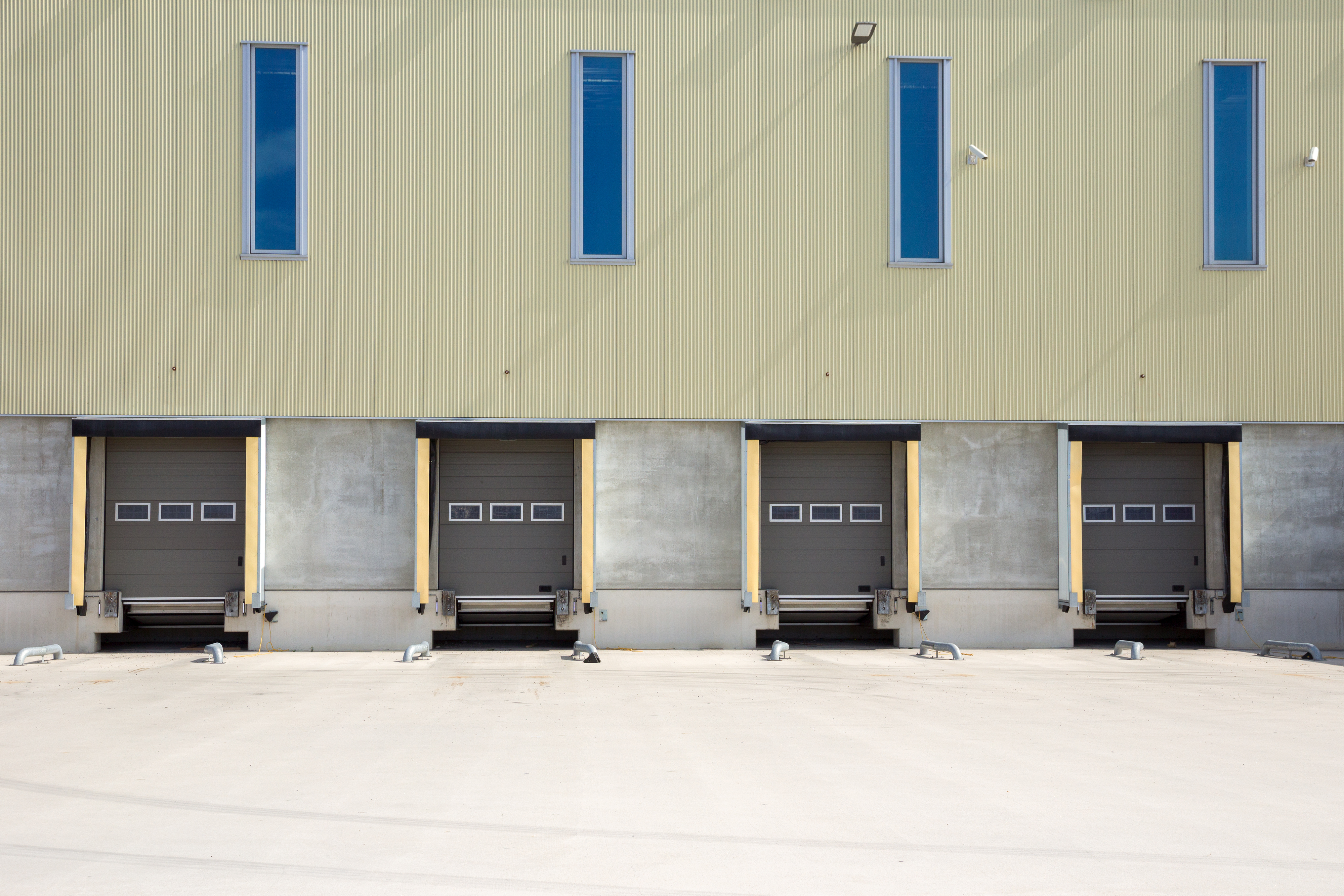
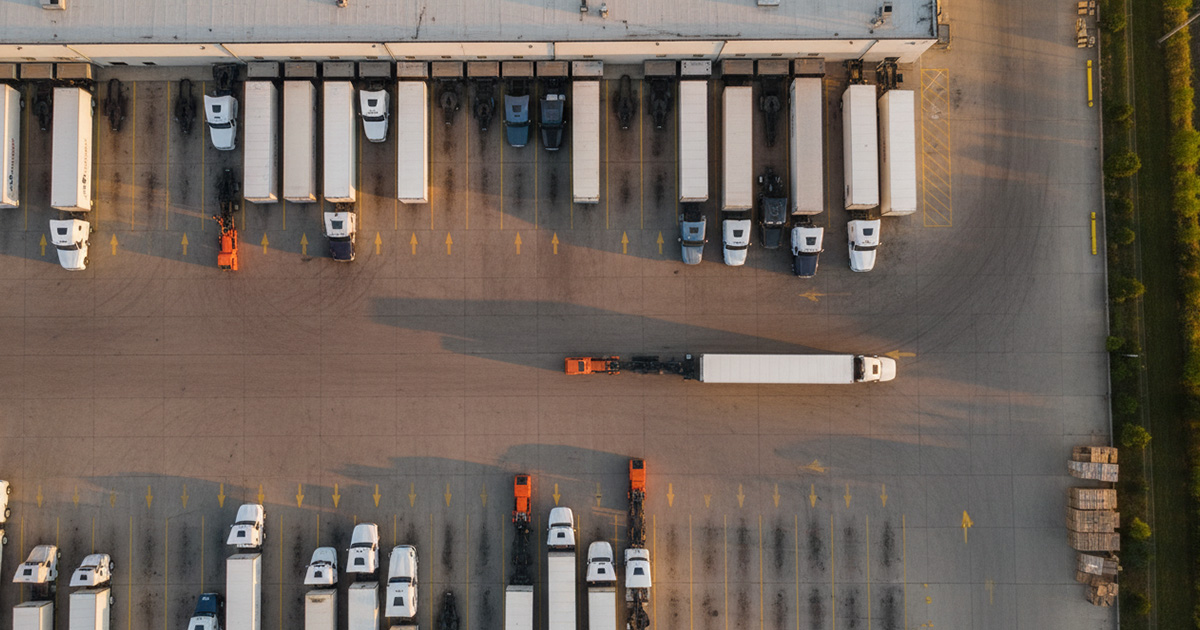
Atlanta Bonded Warehouse (ABW) runs food-grade, temperature-controlled warehousing across 7.4 million square feet in the Southeast and beyond. They've been doing it for more than 75 years, so when they changed how drivers get processed at the gate, it was worth paying attention.
ABW just published their own write-up on moving to M.Folio eBOL. Here's our take on what they did and why it worked.
At a glance: Atlanta Bonded Warehouse is a food-grade 3PL running 7.4 million square feet of warehouse space. They replaced paper BOLs at the gate with M.Folio by Matilda Technologies, an electronic bill of lading (eBOL) platform that runs alongside their Blue Yonder WMS. Drivers now sign once per load, some trucks are processed 10 to 15 minutes faster, manual scanning is gone, and guard shack staffing dropped from three people to two.
The guard shack is a bottleneck, literally
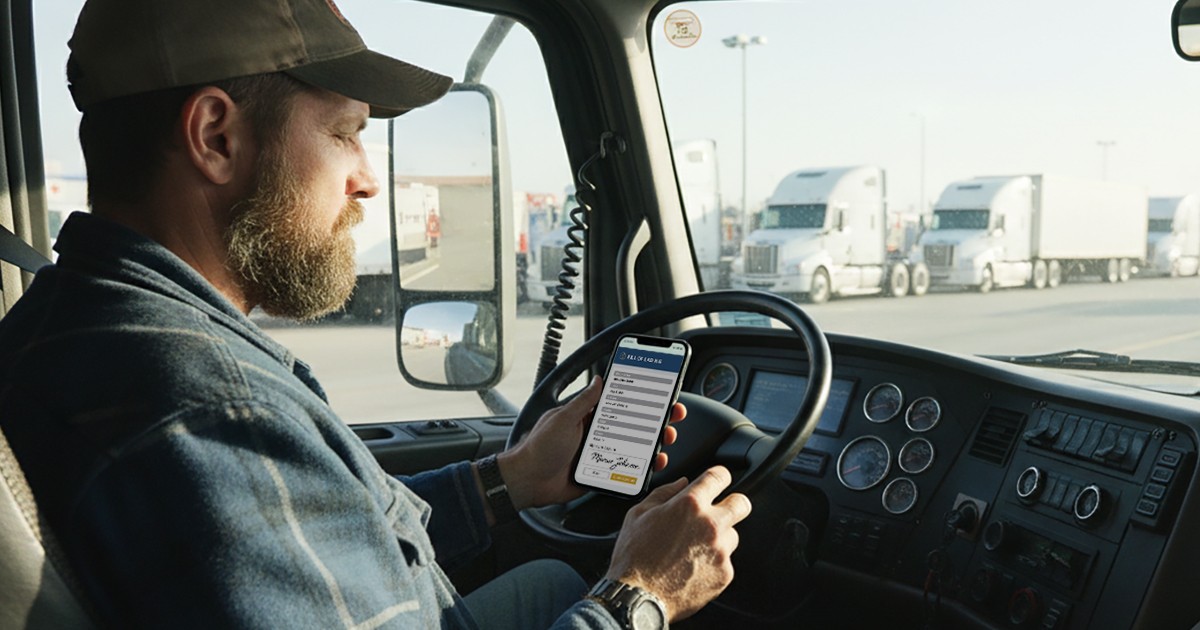
Most people think about dock efficiency at the dock door. It actually starts at the gate. The guard shack is a bottleneck in both senses. Physically, every truck has to squeeze through one narrow checkpoint. Operationally, that's where the paperwork piles up, because every outbound truck needs signed BOLs before it leaves. At ABW, document requirements kept piling up. Checking drivers in and out took longer. Admin staff spent hours scanning and uploading signed bills. Trucks sat waiting. None of that work moved freight.
eBOL that works alongside Blue Yonder WMS
ABW runs Blue Yonder WMS. They weren't going to rip that out or retrain their teams to go paperless at the gate. They didn't have to. M.Folio sits alongside the WMS. Warehouse execution stays exactly where it is. M.Folio handles the documents: drivers sign electronic bills of lading (eBOLs), and signed BOLs are stored in one place.
One signature, 30+ BOLs
Some ABW trucks leave with more than 30 bills of lading. On paper, that's 30 signatures and 30 documents to scan. With M.Folio, the driver signs once. That signature is applied to every BOL on the load and recorded securely. When a customer asks for proof of pickup, or an auditor wants records, ABW pulls it up in seconds.
The results
ABW described the payoff as immediate and measurable. Here's what changed:
| Area | Before M.Folio | After M.Folio |
|---|---|---|
| Guard shack staffing | 3 people | 2 people |
| Driver signatures per load | One per BOL (30+ on some loads) | One |
| BOL scanning and uploading | Manual, by admin staff | None |
| Customer access to signed BOLs | After scanning | Immediate |
Trucks also turn faster, since drivers spend less time on paperwork at checkout. And every signed BOL comes with a complete audit trail.
"Some trucks have over 30 bill of ladings, and the driver only needs to sign once. In some cases, we're improving the processing time by 10 to 15 minutes per truck."
-Troy Snelson, General Manager, Atlanta Bonded Warehouse
What this means for your gate
ABW's setup isn't unusual. Lots of warehouses and 3PLs run a tier-1 WMS and still push paper through the guard shack. The gate is often the last manual step left, and it's one of the easiest to fix. Read ABW's full story on their site. If your gate looks like theirs did, see how M.Folio eBOL works.
Roman Reynebeau
Founder, Matilda Technologies
Roman Reynebeau is a software engineer turned founder with nearly two decades of experience building technology for supply chain and fulfillment. Before founding Matilda Technologies, he held leadership roles at Accenture, MacGregor Partners, and Blue Yonder. He was named a Supply & Demand Chain Executive Pro to Know in 2022.