What to Look for in a Yard Management System
 Roman Reynebeau|Founder, Matilda Technologies|
If you're evaluating yard management systems, you've probably noticed that the market is full of options, and they don't all solve the same problem. If you're new to the category, start with our guide on what a yard management system is before diving into evaluation criteria. Some are focused on trailer tracking. Others are focused on dock scheduling. And a few are trying to automate the entire yard workflow from gate to gate.
Before you start comparing features, it's worth stepping back and thinking about what actually matters for your operation. Here's what I'd recommend looking for.
Start with the problem, not the feature list
Most YMS buyers start their search because something is broken. Maybe drivers are waiting too long. Maybe the guard shack is overwhelmed. Maybe dock scheduling is a mess of emails and phone calls. Whatever the trigger, the most important thing is to choose a system that solves your specific problem rather than one that simply has the longest feature list.
Too many teams get distracted by bells and whistles that sound impressive in a demo but never get used in practice. Focus on what's going to make a measurable difference in your daily operations.
Automation matters more than visibility
Historically, yard management systems have been built around one core idea: visibility. Where are my trailers? What's sitting at which dock? That information is useful, but it's passive. Knowing where a trailer is doesn't make your yard run faster.
The next generation of YMS goes further by automating the workflows that actually slow your yard down. Think about the entire driver journey, from the moment they arrive at your gate to the moment they leave. How much of that process is manual? How many people are involved in checking a driver in, assigning a dock, coordinating paperwork, and managing check-out?
A system that automates those steps, rather than just giving you a visual map of your yard, will have a far greater impact on turn times, labor costs, and overall throughput.
Think about hardware, not just software
Most yard management systems are pure software. That's fine if all you need is a dashboard, but if you want to truly automate yard operations, software alone only gets you halfway there. For a detailed look at what hardware-driven automation looks like at the gate specifically, read our post on how to automate gate operations at your warehouse.
Consider what hardware could make a difference at your facility. Self-service kiosks can handle driver check-in without tying up guard shack staff. Automated lift gates can eliminate manual gate operations. Cameras can validate license plates, inspect trailers, and detect seal integrity without a person walking the lot.
When evaluating a YMS, ask whether the vendor provides hardware as part of the solution or whether you'll need to source and integrate it yourself. A fully integrated hardware and software platform is simpler to deploy, easier to support, and eliminates the gaps that come from piecing together multiple vendors.
Look for flexibility in how drivers interact with the system
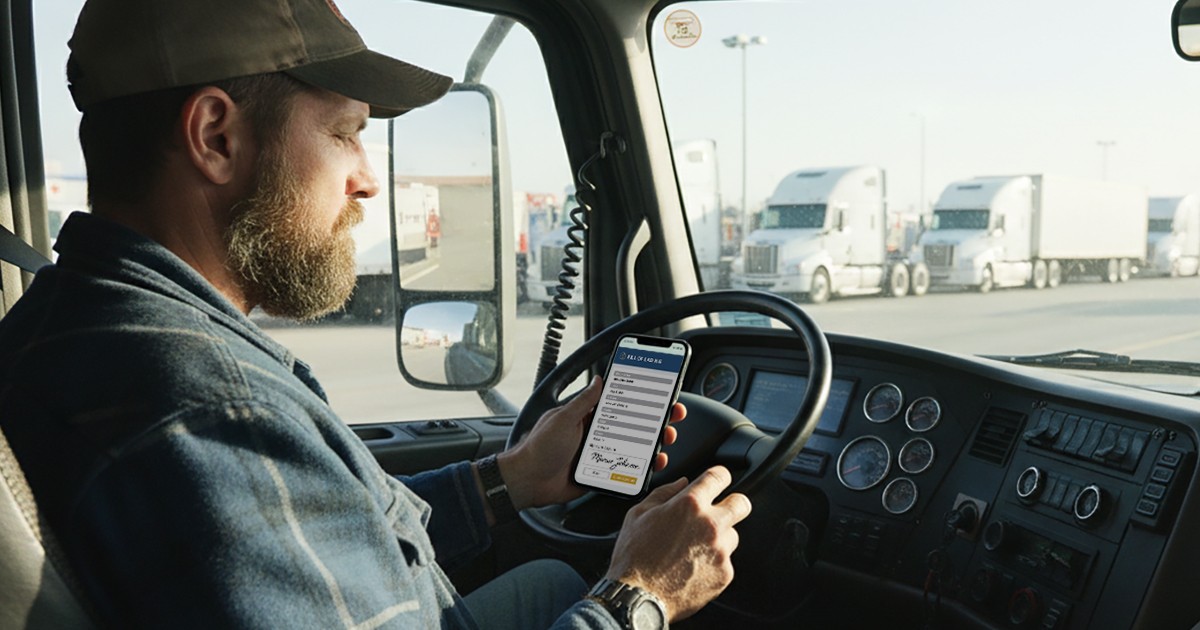
Not every facility operates the same way, and not every driver wants to interact with technology the same way. Some drivers prefer a self-service kiosk at the gate. Others prefer checking in from their mobile device before they even arrive.
The best YMS platforms offer multiple options so you can tailor the experience to your facility and your drivers. And critically, the system should be simple enough that drivers can use it without downloading an app, creating an account, or getting trained. If adoption is hard, the system won't stick.
Integration with your existing systems is non-negotiable
Your yard doesn't operate in isolation. It sits between your WMS, TMS, and ERP, and data needs to flow seamlessly between all of them. A YMS that doesn't integrate with your existing systems creates data silos and manual workarounds that defeat the purpose of automation.
When evaluating options, ask about pre-built integrations with the systems you already use. And ask about the implementation timeline. A system that takes six months to integrate is going to be a hard sell internally, no matter how good the features are.
Consider scalability from day one If you operate a single facility today but plan to grow, your YMS needs to scale with you. That means consistent processes across sites, centralized visibility into all locations, and the ability to add new facilities without starting from scratch.
Even if you're starting with one site, choosing a platform that supports multi-site operations from the beginning will save you from a painful migration down the road.
Don't underestimate support
A YMS touches your physical operations, which means when something goes wrong, the impact is immediate. Drivers are waiting, docks are backing up, and your team needs help now, not in 24 to 48 hours.
Ask about the vendor's support model. Is there dedicated onboarding support to help with implementation and training? What does ongoing support look like after go-live? If the platform includes hardware, what happens when a device needs repair? The answers to these questions will tell you a lot about whether the vendor sees you as a partner or just another account.
The bottom line
The yard management market has evolved significantly in recent years. What started as trailer tracking software has grown into a much broader category that now includes workflow automation, hardware integration, and real-time analytics. The right YMS for your operation depends on the problems you're solving and how much of the yard workflow you want to automate.
If you're exploring what a modern yard management system looks like in practice, see how M.Folio by Matilda Technologies approaches yard management.
Roman Reynebeau
Founder, Matilda Technologies
Roman Reynebeau is a software engineer turned founder with nearly two decades of experience building technology for supply chain and fulfillment. Before founding Matilda Technologies, he held leadership roles at Accenture, MacGregor Partners, and Blue Yonder. He was named a Supply & Demand Chain Executive Pro to Know in 2022.