YMS vs. WMS: What's the Difference?
 Roman Reynebeau|Founder, Matilda Technologies|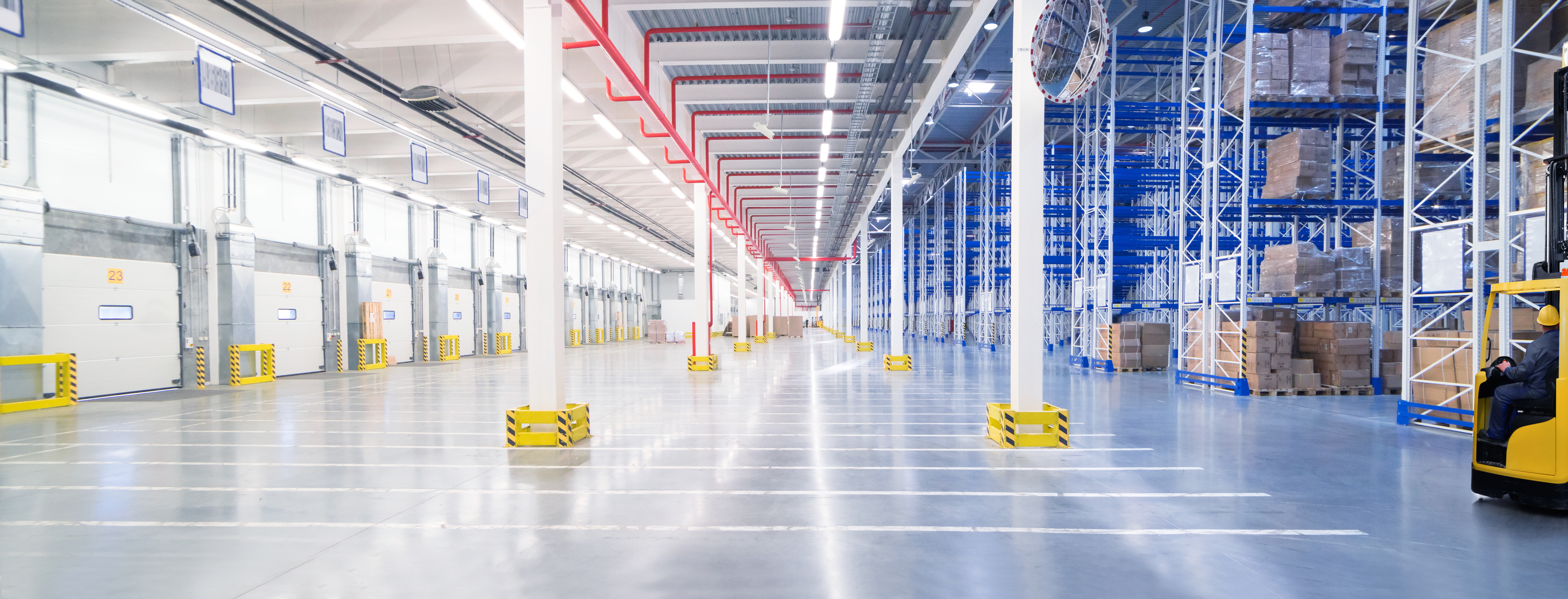
If you're evaluating technology for your warehouse or distribution center, you've probably come across both YMS (yard management system) and WMS (warehouse management system). The names sound similar, and there's some overlap in what they touch. But they solve different problems in different parts of your operation.
Understanding where each one starts and stops will help you avoid buying a system that doesn't cover the gap you're actually trying to close.
What a WMS does
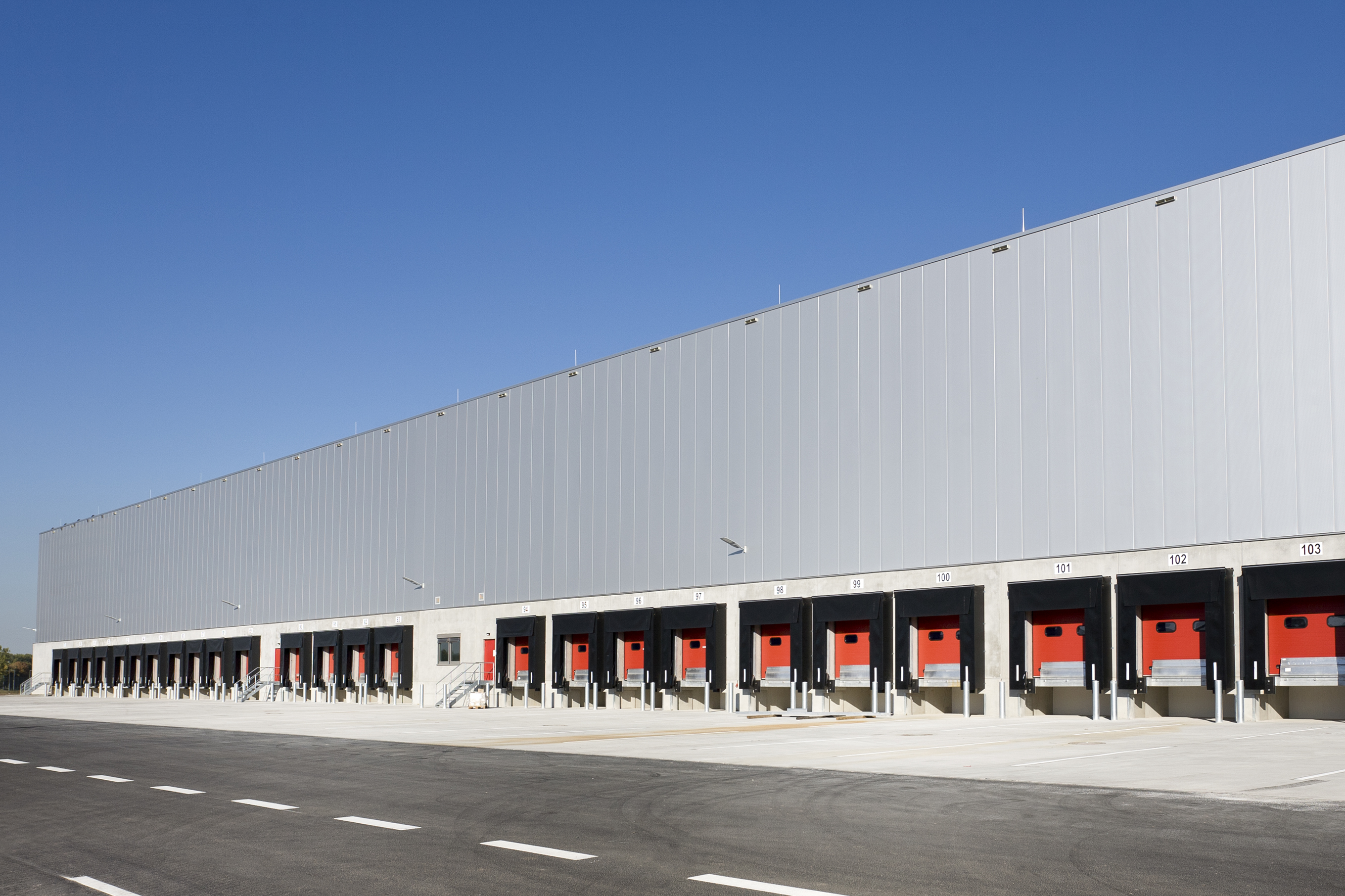
A warehouse management system manages everything inside your four walls. That includes receiving, putaway, inventory tracking, picking, packing, and shipping. It's the system your warehouse team lives in every day.
A WMS knows what inventory you have, where it's stored, what needs to go out, and what's coming in. It optimizes how your team moves through the warehouse and ensures orders are fulfilled accurately and efficiently.
Most mid-size and large warehouses already have a WMS in place. It's considered foundational technology for warehouse operations.
What a YMS does
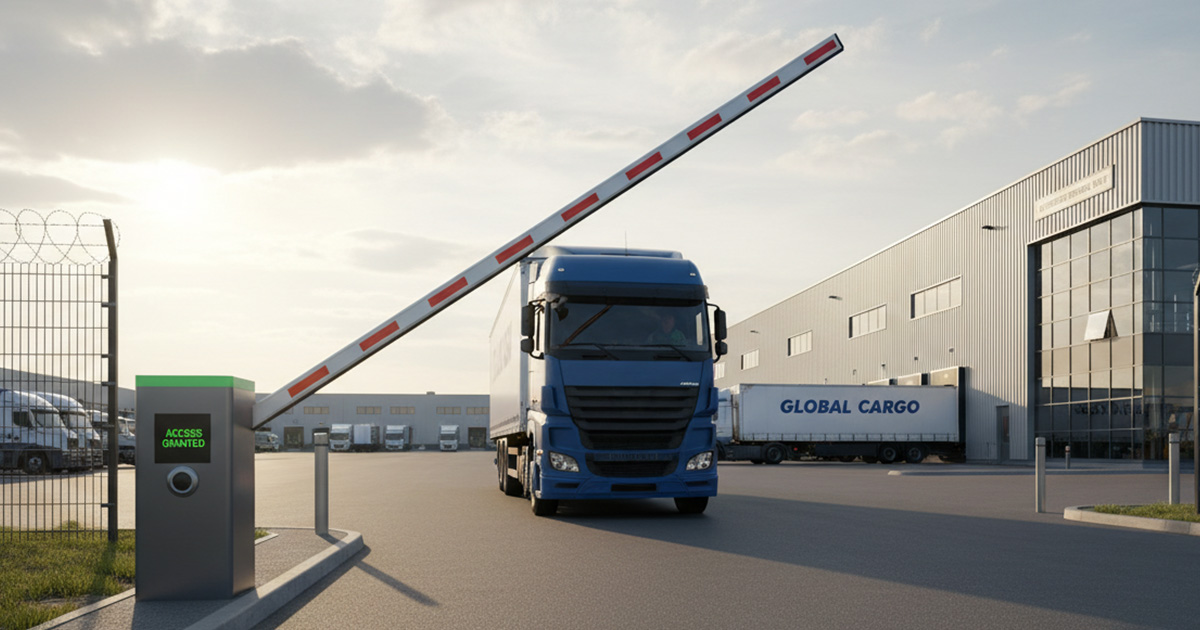
A yard management system manages everything outside your four walls but inside your fence line. That includes driver check-in and check-out, dock door assignments, trailer tracking, appointment scheduling, and gate operations.
A YMS knows which trucks are on site, where trailers are parked, which docks are available, and how long drivers have been waiting. It coordinates the flow of vehicles through your yard so drivers spend less time sitting and your docks stay productive.
For a more detailed breakdown, read our guide on what a yard management system is.
Where the gap shows up
The problem most operations run into is that their WMS has no visibility into what's happening in the yard. Inventory is tracked precisely inside the warehouse, but the moment a shipment moves to a trailer at a dock door or a parking spot in the yard, it disappears from the system until someone manually updates a record.
This gap creates real operational problems. Your warehouse team doesn't know which inbound trailers have arrived and are ready to unload. Your dock supervisors can't see which doors will be free in 30 minutes. Your customer service team can't answer questions about whether a load has left the facility. And your admin team has to manually reconcile what the WMS says with what actually happened in the yard.
A YMS fills that gap. When the two systems are connected, you get a continuous view from the moment a truck enters your gate to the moment the order is picked, packed, and loaded onto an outbound trailer.
Can a WMS handle yard management?
Some WMS platforms include basic yard management features, like trailer tracking or dock door status. These can work for simple operations with low volume and a small yard.
But for facilities with high truck traffic, multiple carriers, complex dock scheduling needs, or multiple sites, a dedicated YMS will do significantly more. The difference is similar to the difference between a spreadsheet and a purpose-built accounting system. Both can technically track numbers, but only one is designed to handle the complexity of a real operation at scale.
A dedicated YMS also brings capabilities that a WMS typically doesn't touch: automated gate operations with license plate recognition, self-service driver check-in via kiosks or mobile devices, real-time yard maps, and carrier self-service appointment booking.
Do you need both?
If you run a warehouse, you almost certainly need a WMS. Whether you also need a YMS depends on the complexity of your yard operations.
Here are a few signs that a WMS alone isn't enough:
Drivers regularly wait 30 minutes or more to check in or get a dock assignment. Your team uses radios, phone calls, or emails to coordinate dock scheduling. You're still printing, signing, and filing paper bills of lading at the dock. You've paid detention fees that could have been avoided with better visibility. You don't know how many trailers are in your yard without sending someone out to count. You operate multiple facilities and have no way to compare yard performance across sites.
If any of those sound familiar, the yard is likely costing you more than you realize. A YMS doesn't replace your WMS. It extends your visibility and control into the part of your operation your WMS can't see. If your gate is a bottleneck, read our guide on how to automate gate operations.
How the two systems work together
When a YMS and WMS are integrated, data flows between them automatically. Your WMS tells the YMS what shipments are expected and what's ready to load. Your YMS tells the WMS which trucks have arrived, which docks are assigned, and when a trailer is ready for unloading or has been loaded and is clear to depart.
This integration eliminates the manual updates and radio calls that slow down the handoff between yard and warehouse. It also gives your operations team a single, continuous view of the shipment lifecycle instead of two disconnected systems with a blind spot in between.
For a closer look at how these integrations work in practice, read our post on how eBOL connects to your WMS, TMS, and YMS.
The bottom line
A WMS and a YMS are not competing systems. They cover different parts of your operation, and the most efficient facilities use both. Your WMS handles what happens inside the warehouse. Your YMS handles what happens in the yard. When they're connected, the entire flow from gate to dock to shipment runs faster, with fewer errors and less manual coordination.
If your yard is still a blind spot in your operation, see how M.Folio by Matilda Technologies approaches yard management or read what to look for in a yard management system.
Roman Reynebeau
Founder, Matilda Technologies
Roman Reynebeau is a software engineer turned founder with nearly two decades of experience building technology for supply chain and fulfillment. Before founding Matilda Technologies, he held leadership roles at Accenture, MacGregor Partners, and Blue Yonder. He was named a Supply & Demand Chain Executive Pro to Know in 2022.